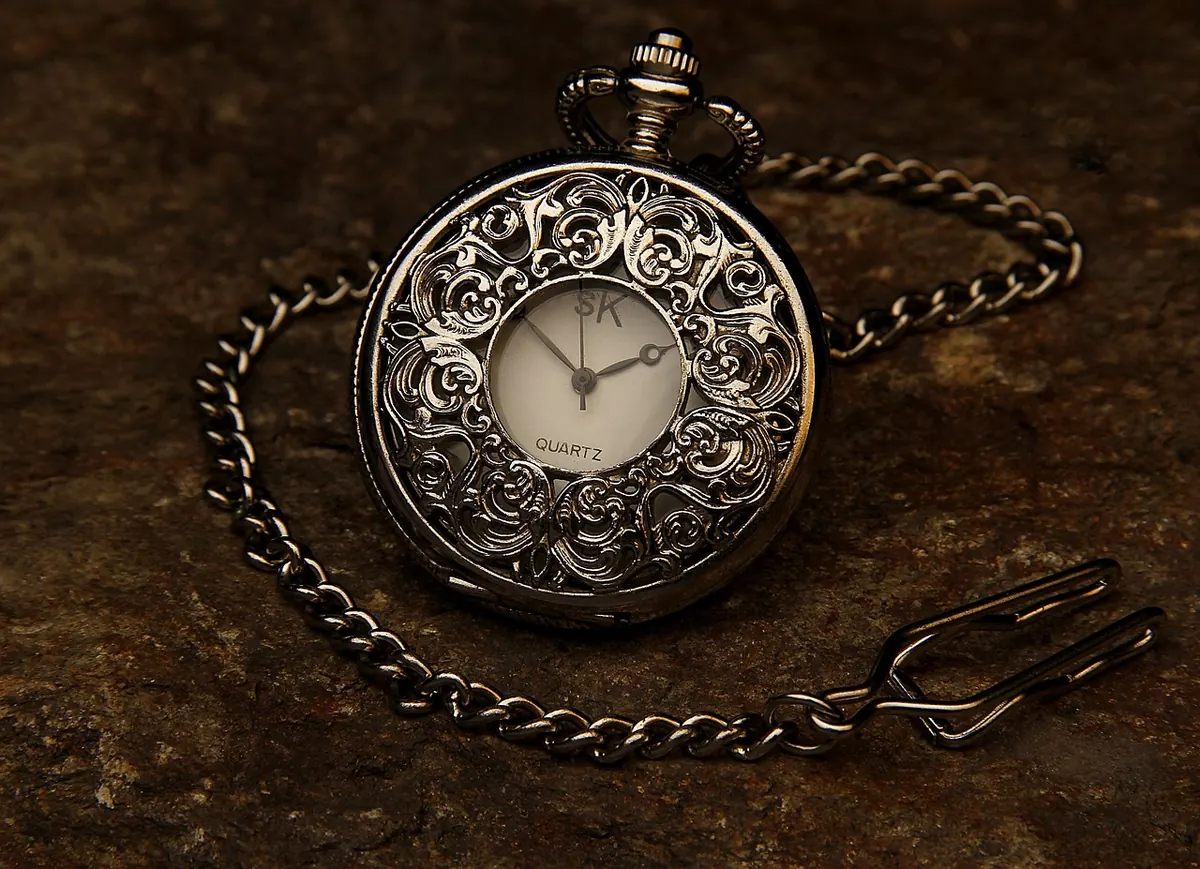
Two silver watches can sit side by side in a display case, look almost identical on the wrist, and behave nothing alike. One ticks quietly and will still be keeping the same time in five years with almost no attention. The other stops if you leave it on the bedside table over a weekend, and it asks for a small ritual every morning. Neither is better. They are simply different machines, and the movement inside the case is what decides how a watch feels to own.
Since silver watches are usually bought as a step up from a basic everyday piece — something with a bit of weight and shine you actually want to wear — the movement deserves more thought than the dial colour. Here is what each type does, what it will ask of you, and where it fits.
What a Movement Actually Does
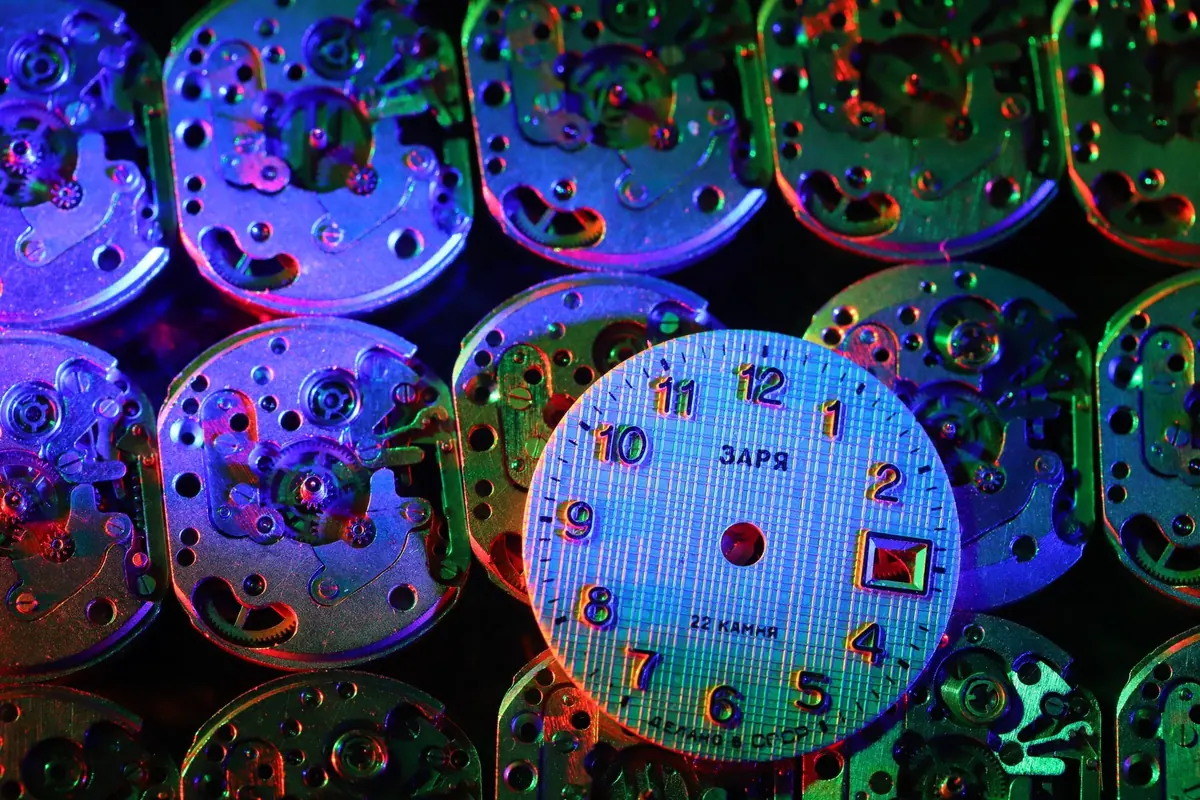
The movement is the engine: a set of gears, springs, and bearings that measures time and moves the hands. Everything else — the sterling silver case, the dial, the strap — is the body around it. When people talk about a watch being "good," they are usually talking about the movement, because that determines accuracy, service needs, and how long the piece stays repairable.
Three families cover almost everything you will see in a silver watch under a few thousand. Quartz is powered by a battery. Automatic is powered by the motion of your arm. Hand-wound is powered by your fingers. All three can be excellent; all three can be cheap and nasty. The brand and finishing matter, but the category tells you most of what you need to know about daily life with the watch.
Quartz: The Movement That Just Works
How it runs
A quartz movement sends current from a small battery through a quartz crystal, which vibrates at a fixed high frequency — 32,768 times a second in virtually every watch you will encounter. A tiny circuit counts those vibrations and sends a pulse to a stepper motor once per second, which turns the hands. Fewer moving parts means less friction, less wear, and very little to go wrong.
What it asks of you
Almost nothing. Set the time when you change the battery, then forget about it. Quartz watches typically drift a few seconds a month rather than a few seconds a day, which is why they suit people who hate resetting things.
The maintenance schedule is short:
- Battery: replaced roughly every year or two, depending on the movement and whether it has a light or alarm.
- Gaskets: checked whenever the case is opened. A cheap battery swap that skips the seal is how water gets in.
- Service: usually only when something fails. A quartz movement can run for many years without a full overhaul.
The trade-off is emotional rather than practical. There is no rotor spinning, no ticking balance wheel, no sense of a small machine at work. On a silver watch, that can feel like a mismatch — a precious case around a disposable heart. It can also be exactly right: a handsome silver case with a reliable quartz movement is a genuinely sensible everyday watch, and often the best value in the shop.
Automatic: Powered by Your Wrist
How it runs
An automatic is a mechanical watch with a weight — the rotor — that swings as you move your arm. That swinging winds a mainspring, which releases energy through a train of gears to a balance wheel that oscillates back and forth, marking out the seconds. Worn daily, it stays wound. Taken off on Friday evening, most will run for somewhere around a day and a half to two days before stopping.
What it asks of you
A little awareness. If you rotate between several watches, an automatic that sits in a drawer will stop, and you will need to reset it and give it a few shakes or a few turns of the crown before wearing. Accuracy is measured in seconds per day, not per month, and it changes with temperature, position, and how wound the spring is. That is normal, not a fault.
Servicing is the real cost of ownership. Mechanical movements need cleaning and lubrication periodically — often every five to seven years, or sooner if the watch starts losing time noticeably or the winding feels rough. Budget for it the way you would budget for a car service, and a good automatic will outlast you.
An automatic is the only movement that makes you part of the mechanism. It is also the only one that will sulk if you ignore it.
Hand-Wound: The Daily Ritual
A hand-wound movement is mechanically similar to an automatic, minus the rotor. You turn the crown twenty or thirty times in the morning, the mainspring stores the energy, and the watch runs for a day or two. Because there is no heavy rotor on the back, these movements are often thinner, which makes them a lovely match for a slim silver dress watch that slides under a cuff.
The upside is character and a daily moment of contact with the watch. The downside is that you cannot skip it. Forget to wind, and you will be resetting the time. There is also a small technique to learn: wind gently and stop when you feel resistance. Forcing a fully wound spring is the fastest way to damage it. On a silver watch, treat the crown with particular care — sterling silver is softer than steel, and threads and stems do not appreciate rough handling.
Matching Movement to Budget and Routine
Start with your actual week, not the watch you wish you were. Then use this as a rough filter:
- Quartz suits you if you wear a watch a few times a week, dislike setting the time, want low running costs, and would rather spend the budget on the silver case and dial.
- Automatic suits you if you wear one watch most days, like the idea of a mechanical object, and are comfortable with periodic servicing.
- Hand-wound suits you if you enjoy routine, want a thin case, and will genuinely remember to wind it — or if you wear a watch mainly for occasions rather than every day.
- Buy the watch, not the category. A well-made quartz from a brand that services its products is a better long-term buy than a cheap automatic nobody will repair.
On budget: quartz is almost always the cheapest route to a well-finished silver case, because you are not paying for mechanical complexity. Mechanical watches cost more up front and more over the years. If money is tight, put it into the case and the bracelet or strap, and keep the movement simple.
Caring for a Movement Inside a Silver Case
Sterling silver is softer than stainless steel, so the case takes scratches and small dents more readily, and the caseback threads and gaskets need a lighter touch. A few habits go a long way. Have the case opened only by someone who will replace the seal properly. Keep any watch away from hot showers, saunas, and swimming unless it is explicitly rated for it — "water resistant" on a vintage silver piece often means "hand washing only." Wipe silver with a soft cloth to slow tarnish, and store watches dry, away from damp bathrooms, since moisture is the enemy of every movement.
Before You Choose
Ask three questions in the shop. Does the watch feel right on your wrist, including the weight of the case? Can this brand service this movement in five years? And does the winding or battery routine fit the way you actually live? If all three answers are yes, the movement type is almost secondary.
A silver watch is a long-term object. Choose the engine you are willing to look after, and it will reward you for decades — whether that means a quiet tick from a battery or the small, satisfying ritual of winding a spring each morning.
Photo: Nic Wood / Pexels