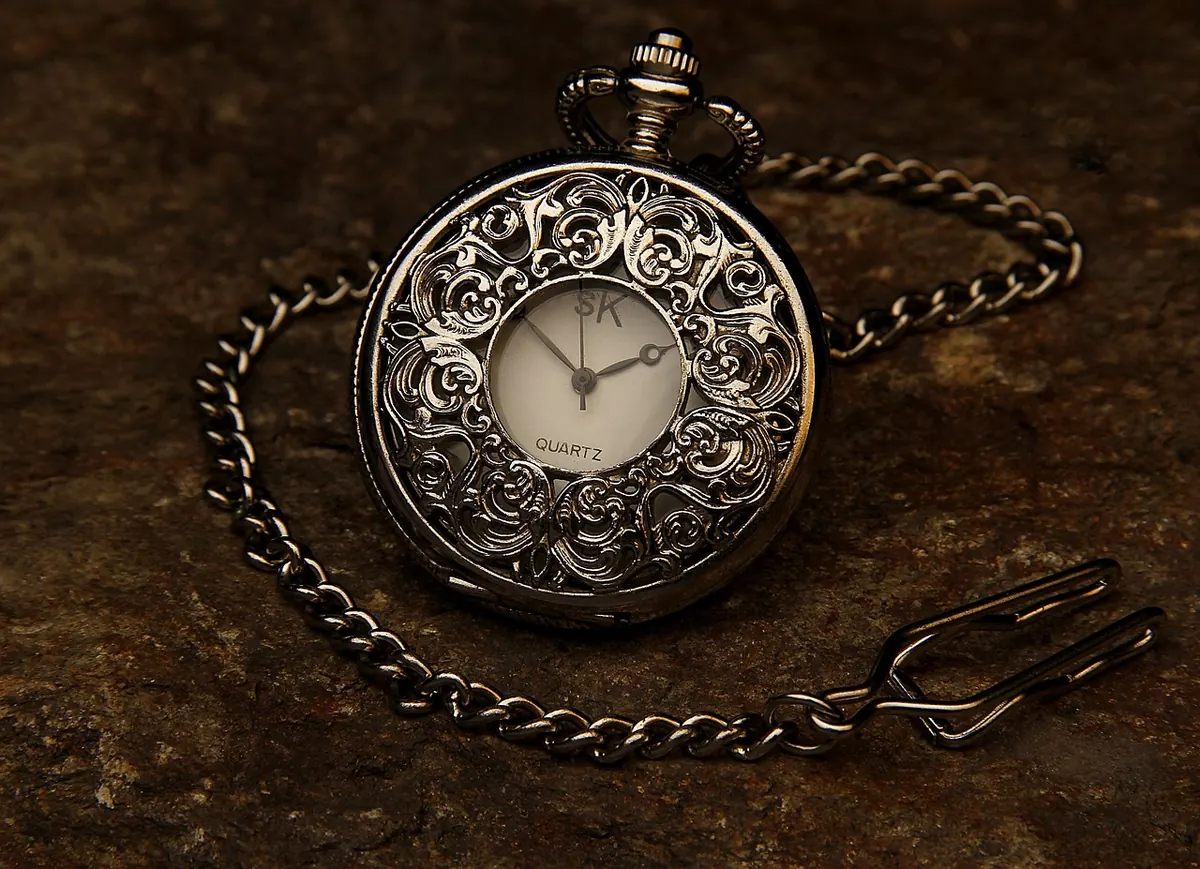
Italian style rarely announces itself with a logo or a loud accessory. It shows up in small decisions: a collar that sits properly, trousers that break in the right place, a wrist that catches a little light. A silver watch does that last job well. It brings a clean, cool shine to ordinary clothes—a white T-shirt, a navy blazer, a linen shirt—without turning a normal day into a formal occasion. The trick is not to wear it as jewelry. Wear it as a finishing detail, like a good belt or a pair of shoes that look after themselves. Casual, business, weekend: one silver watch can move through all three if the proportions and the mood are right.
Why Silver Feels Italian (Without Trying Too Hard)
Italian dressing favors contrast over coordination: crisp against soft, dark against light, tailored against relaxed. Silver fits that idea. Its cool tone sharpens navy, grey, white, black, and denim; it also lifts warm earth tones such as tobacco, olive, and cream without competing with them. Gold can feel richer and more deliberate; silver feels quieter and more daytime. That is why a simple silver watch works with a rolled-up oxford shirt and with a plain crewneck. It reads as functional first, decorative second. The best versions are not flashy. A clean dial, a slim case, and a strap that suits your wrist will do more than a crowded face with too many details. In Italian-inspired dressing, the watch is not the main event. It is the detail that makes the rest look considered.
The Watch Details That Keep It Casual
Before you think about the outfit, check the watch itself. The wrong silver watch can make jeans look like a costume; the right one disappears into the look. Three details matter most: case size, dial, and strap. A case around 36–40 mm suits many wrists, though the right size is the one that sits comfortably inside your wrist bone and does not overhang the edges. A plain dial—stick markers, a small seconds hand, a date if you use it—keeps the watch flexible. A steel bracelet feels crisp with tailoring and denim; a leather strap in black or brown softens it; a mesh or fine-link bracelet sits neatly under a shirt cuff. If you want one watch for everything, choose restraint over novelty.
- Case: slim enough to slide under a cuff, not so small that it looks lost on a bare wrist.
- Dial: uncluttered, legible, and free of oversized sub-dials or bright accents you cannot wear twice a week.
- Strap: leather for warmth and informality, steel for sharpness, mesh for a clean line under sleeves.
- Fit: snug enough not to twist, loose enough to leave a small mark-free gap at the wrist.
That is the foundation. Everything else is styling.
Casual Days: Jeans, Knitwear, and a Clean Wrist
The white T-shirt test
Start with a plain white T-shirt, dark straight-leg jeans, and simple leather sneakers or loafers. Add a silver watch on a brown leather strap. Roll the sleeves once or twice—not to show off the watch, but to keep the arm looking relaxed. If you wear a belt, let the leather relate to the strap without matching it exactly. A black watch strap with brown shoes is fine; a brown strap with brown shoes is easier. The point is a smooth line from sleeve to wrist, not a color-coordinated uniform.
Knitwear and soft tailoring
A fine-gauge crewneck in navy, grey, or oatmeal works well with a steel bracelet. The silver picks up the coolness of the knit and keeps the outfit from looking too soft. With a cardigan or a relaxed overshirt, push the sleeves up slightly so the watch sits against skin rather than disappearing under fabric. Avoid stacking a silver watch with a thick beaded bracelet or a large cuff. One clean shine is enough. If you wear a ring, keep it simple and in the same metal family, or choose a warm metal deliberately and let the contrast look intentional.
Office Outfits: Polish Without the Boardroom Stare
For most offices, the goal is not a formal suit. It is looking tidy enough for a meeting and relaxed enough for the rest of the day. A navy blazer, grey trousers, a white or pale blue shirt, and dark shoes are a reliable base. A silver watch on a steel bracelet adds crispness; a black leather strap adds a quieter, more traditional note. If you wear a tie, keep the watch slim so it does not fight the knot or the cuff. If you do not wear a tie, unbutton the collar once and let the watch be the only hard shine in the outfit.
Shirt cuffs and sleeve length
Watch and cuff should not compete. A shirt cuff should end at the wrist bone; the watch should sit just behind it, partly visible when you move. If the cuff swallows the watch, the outfit looks bulky. If the watch sits on top of the cuff, it looks fussy. With a suit, choose a thin watch that slides under the sleeve and appears when you reach for a coffee or a document.
Leather, metal, and color
You do not need to match your watch to your belt and shoes. Silver works with black, brown, tan, and burgundy leather. What matters is that the leathers look deliberate: a brown belt with brown shoes, a black belt with black shoes, and a watch strap that sits comfortably in the same world. If your outfit is mostly grey or navy, silver looks sharp without adding another color. With earth tones, a brown leather strap keeps the watch from feeling cold.
Weekend Style: Linen, Polo, and a Little Air
Weekends are where silver watches look best, because the clothes are softer and the watch provides a little structure. A knitted polo, cotton trousers, and suede loafers need almost nothing else; add a silver watch with a brown strap and stop there. In warmer weather, a linen shirt with rolled sleeves and the top button open works with a steel bracelet or mesh strap. The metal catches the light without making the outfit look dressed up. Keep the rest simple: no heavy necklace, no clanking bracelets against the case.
Summer and travel
For a summer evening, try a white linen shirt, navy cotton trousers, and a slim silver watch on a dark brown strap. For a city weekend, a light jacket over a grey sweatshirt and dark jeans is enough. If you travel, one silver watch with a neutral strap covers more outfits than three fashion watches. Pack a spare strap if you like to change the mood: brown leather for day, black leather for evening, steel for everything in between. Leave the very sporty watch for actual sport; a dressy silver watch with shorts is a mismatch confidence cannot fix.
The Finishing Touches That Make Silver Look Intentional
Small adjustments decide whether a watch looks natural or borrowed. Check the strap width against the lugs; a strap that is too narrow makes even a good watch look cheap. Wear the watch on the wrist that feels comfortable for your daily routine—usually the non-dominant hand, but the right choice is the one that does not catch on desks or sleeves. Keep the watch clean. A smudge on the crystal or a grimy leather strap undoes the polish of an otherwise good outfit.
Then look at the whole picture. Silver is a cool metal, so it pairs easily with blue, grey, white, and black. With warm colors, let it contrast rather than compete. If your outfit already has a lot going on—a patterned shirt, a textured jacket, a bold belt—keep the watch plain. If the outfit is quiet, the watch can carry a little more detail. That balance is Italian-inspired style: not more, but better placed.
A Short Checklist Before You Walk Out
Check the sleeve: can the watch breathe at the wrist without hiding or shouting? Check the strap: does it suit the shoes and the season, even if it does not match exactly? Check the shine: is the watch the only bright metal on your arm? If the answers are yes, you are dressed. A silver watch does not need a special occasion. It needs a clean line, a calm outfit, and a wearer who looks comfortable. That is the Italian way with everyday style—quiet, practical, and just polished enough.
Photo: StockSnap / Pixabay