A watch can be well made, sensibly chosen and exactly the style you wanted, and still end up in a drawer. The reason is almost always fit. Silver watches are especially unforgiving here: a bright case draws the eye, so if the lugs overhang your wrist or the bracelet pinches, people notice that before they notice the dial. The good news is that fit is measurable. With a soft tape measure, a ruler and ten minutes, you can work out which case sizes and proportions will sit properly on your arm — and then choose the style with confidence rather than guesswork.
Measure Your Wrist Properly
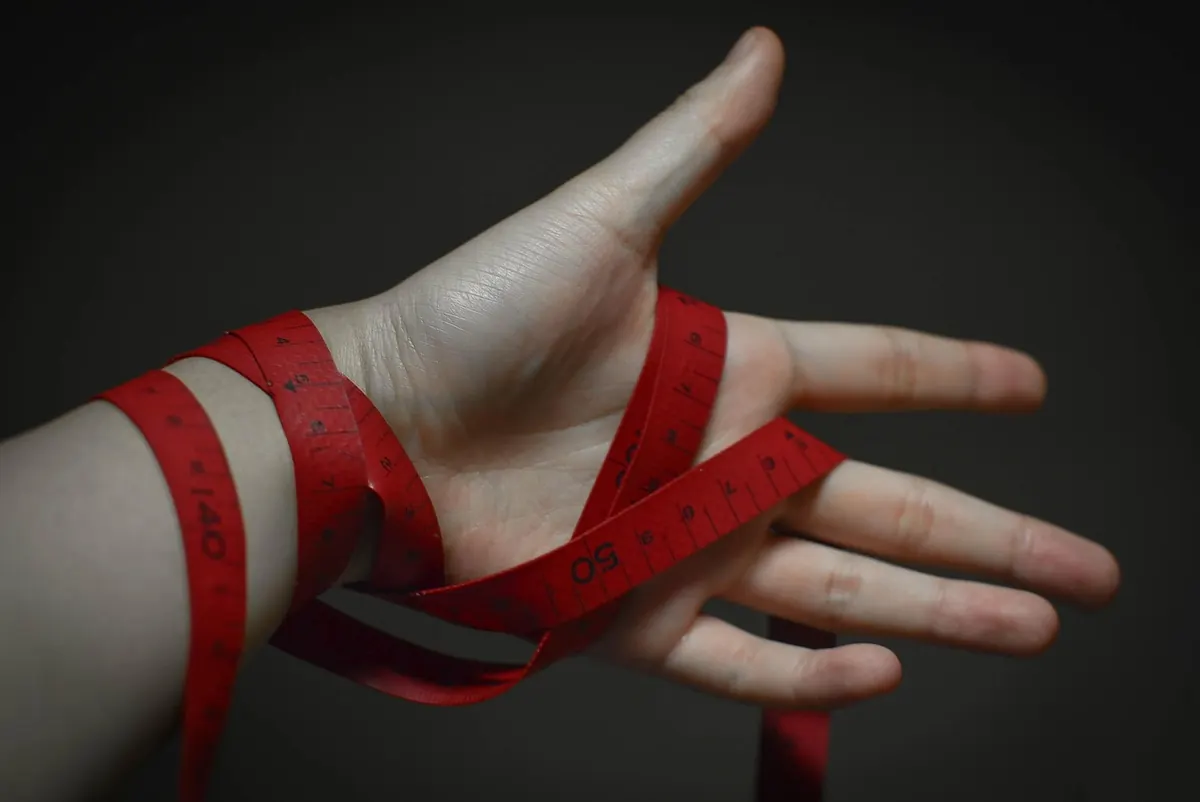
Two measurements matter, and most people only take one. The first is circumference. Wrap a soft tape measure around your wrist just behind the wrist bone, snug against the skin but not tight enough to leave a mark. If you don't have a tape, wrap a strip of paper around your wrist, mark where it overlaps and lay it flat against a ruler. Write the number down in centimetres.
The second measurement is the one people skip: the flat width across the top of your wrist. Lay your arm palm-down on a table and measure straight across the upper surface with a ruler. That distance is the space your watch actually has to occupy, and it decides whether long lugs will hang over the edge of your arm. Two people with the same circumference can differ by several millimetres here, because a round wrist presents a narrower flat surface than a flat, wide one.
- Measure circumference behind the wrist bone, snug but not tight.
- Measure the flat top width of your wrist with a ruler.
- Repeat each measurement twice and use the average.
- Note whether your wrist is round and bony or flat and fleshy — it changes the advice below.
Case Diameter: Useful, But Overrated
Case diameter is the number every listing gives you, and it's a reasonable first filter. As a rough starting point, wrists of 14–15 cm usually suit cases of 34–38 mm; 16–17 cm wrists sit comfortably between 38 and 41 mm; 18 cm and above can carry 40–44 mm without looking crowded. Treat these as starting points, not rules. A 40 mm watch with a slim bezel and a pale dial looks considerably larger than a 40 mm diver with a thick rotating bezel, because what your eye reads is the dial, not the case.
Two other figures deserve attention. Case thickness affects how the watch sits under a shirt cuff and how top-heavy it feels; anything over about 13 mm starts to catch on cuffs and door frames. And the shape of the case matters as much as its width — a cushion or tonneau case wears differently from a round one at the same diameter. If you are choosing between two sizes and you wear tailored clothing often, the smaller one will almost always look better and slip under a cuff more easily.
Lug-to-Lug: The Number That Decides the Fit
If you only learn one specification from this guide, make it lug-to-lug. This is the distance from the tip of one set of lugs to the tip of the other, measured across the back of the case, and it determines whether the watch sits on your wrist or floats above it. A 42 mm case with short lugs can wear smaller than a 40 mm case with long ones.
Compare the lug-to-lug figure with your flat wrist width. For a tidy, classic look, many fitters suggest keeping it to roughly three-quarters of that width, leaving a little wrist visible on each side. You can go up to the full width if you like a chunkier presence — but once the lugs extend past the edges of your wrist, the watch will look oversized regardless of its diameter, and the strap will start to angle sharply downward rather than wrapping around your arm. Curved lugs help on round wrists, since they follow the shape of the arm instead of standing off it.
Strap Width and the Balance of the Watch
Lug width — the gap between the lugs where the strap attaches — is usually around half the case diameter: a 40 mm case commonly takes a 20 mm strap, a 36 mm case an 18 mm strap. This ratio is why some watches look harmonious and others look slightly wrong. A wide strap on a small case looks stumpy; a narrow strap on a large case looks like a lollipop stick. Tapered bracelets, which narrow from the lugs to the clasp, are a neat trick for making a larger watch feel more elegant on the wrist.
If you choose a bracelet, budget time for proper sizing. Remove links until the clasp sits centred on the underside of your wrist and the watch doesn't rotate freely. It should be snug enough that it doesn't slide down over your hand, and loose enough that it leaves no deep imprint after an hour. Micro-adjustment holes on the clasp, or a half-link, often solve the in-between problem that a full link can't. A leather or rubber strap is more forgiving and easier to swap, which makes it a sensible choice if your wrist measurement falls awkwardly between sizes.
Matching Proportions and Daily Style
Once the measurements are settled, the style question becomes much simpler. A silver watch with a polished case and a clean, thin-bezelled dial reads dressy and works with tailoring. A brushed case with a timing bezel and a chunkier profile reads sporty and casual. Neither is better; the mistake is buying a dressy watch you'll wear with short sleeves and jeans, or a heavy sports watch you'll try to fit under a cuff every morning.
Think about your actual week. If you type at a desk all day, a thick case and a metal bracelet will scratch against the desk and feel heavy by mid-afternoon. If you spend weekends outdoors, water resistance and a strap you can rinse matter more than a slim profile.
Silver-tone, stainless steel or sterling silver
Most silver watches are stainless steel or a silver-toned finish, which is tough, neutral against most skin tones and easy to live with. Sterling silver cases exist and look lovely, but the metal is softer, so it picks up scratches and dents more readily and tarnishes over time, needing a polish cloth now and then. If a watch is going to be worn hard, steel is the more practical choice; if it's an occasional piece, silver has a warmth that steel can't quite match.
Finish changes the impression
Polished surfaces reflect light and make a case look bigger and brighter. Brushed surfaces absorb light, look calmer and hide fine scratches. A mix of the two — brushed sides with a polished bezel — is a common and forgiving combination, and it tends to work with both smart and casual clothing.
- Small wrist, formal wardrobe: 34–38 mm, slim case, short lugs, leather strap.
- Medium wrist, mixed week: 38–40 mm, brushed or mixed finish, bracelet with taper.
- Wide wrist, casual style: 40–44 mm, thicker case, rubber or steel bracelet.
- Round, bony wrist: favour curved lugs and a slightly smaller case.
The Two-Minute Check Before You Buy
Find a watch you already own and enjoy wearing, and measure its case diameter, lug-to-lug length and lug width. Those three numbers are a more reliable reference than any size chart, because they describe a fit you already know works on your arm. Keep them in a note on your phone when you shop.
Before ordering, check the specification sheet for lug-to-lug and thickness — not just diameter — and look at the returns policy, since fit is the one thing photos can't tell you. Try the watch on at different times of day if you can, as wrists swell slightly with heat and activity. And if the numbers land between two sizes, take the smaller one for dressy watches and the larger one only when you genuinely want a bolder look.
Photo: REDioACTIVE / Pixabay